Legacy Summerville Concrete and MasonryLegacy Summerville Concrete and Masonry

Brick pointing in Summerville SC - mortar joints matched to your brick wall

Crumbling or cracked mortar between your bricks gets cleared out and refilled with a mix that suits the wall, so the brick stays sound.

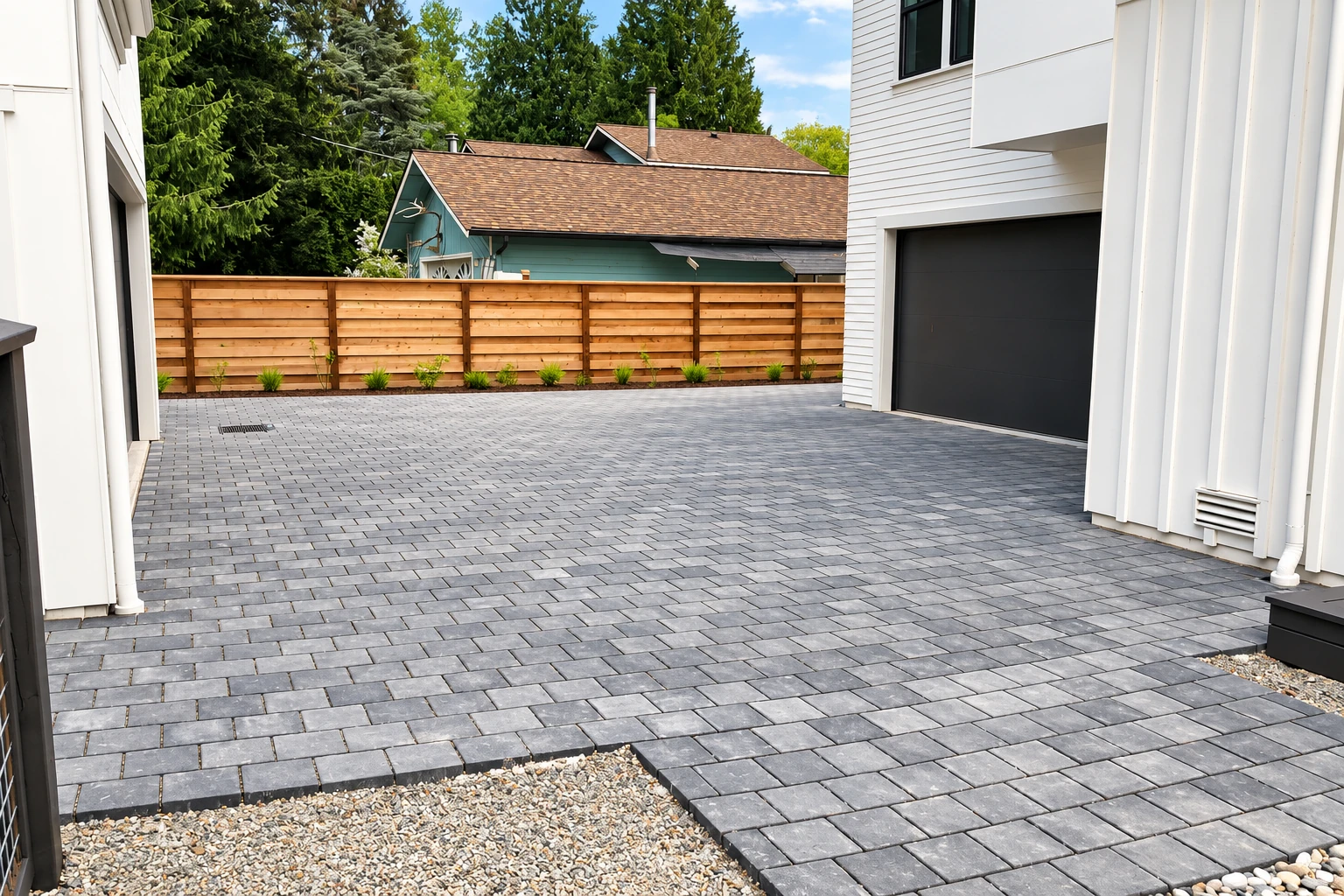
Broad gray paver driveway between white buildings, bordered by a wooden fence and gravel.

Brick pointing, which most masons call repointing, means removing the worn mortar from the joints of your brick wall and filling them with new mortar. On a Summerville home, it gets the joints doing their job again before the wear reaches the brick.

Does my brick house need repointing?

Mortar isn't glue holding the bricks together. It's there to take up the small movements of the wall as it expands and contracts, which is why the mortar wears out and the bricks usually don't. When the joints start crumbling or cracking, repointing them keeps that wear from moving into the brick, where the repair gets a lot bigger.

The price mostly comes down to how much wall needs work, how deep the mortar has worn and how hard the wall is to reach, since a second story or a chimney means ladders or scaffolding. The schedule turns on the size of the wall, how the old mortar has to come out and any permit or approval your address needs first. Your written estimate lists the materials, the steps and anything not included.

What goes into a repointed joint that holds up

Repointing looks simple from the driveway, but three things decide whether the new joints protect your brick or work against it. These are the parts we pay closest attention to.

A mix no harder than the old

New mortar should be about as strong as the original or weaker, because a harder mix makes the brick take the movement instead of the joint, and that damage can't be repaired. Older walls usually need a softer mix than the bagged mortar sold for new work, so ask any mason which mix they plan to use.

Clearing the joints cleanly

The old mortar has to come out down to sound material so the new mortar has something solid to bond to. We take our time along the brick edges, because a chipped edge shows for the life of the wall and gives water a place to sit.

Filling and shaping the joint

We pack the new mortar in firmly, in layers when a joint is deep, so it doesn't shrink back and leave a gap against the brick. Then we tool each joint to the same shape as the rest of the wall, because that shape sheds water as much as it sets the look.

What happens after you call about brick pointing in Summerville

From the first call to the final walk-through, you deal with me and our own crew. Here's how a repointing job runs, step by step.

  1. 1

    Call or send the form

    Call (843) 376-1285 or send the form, ideally with a few photos of the worn joints. We set a time for me to come out and look at the wall myself.

  2. 2

    I measure and write it up

    I look the wall over, measure it and ask what you want from the work. Your written estimate spells out the materials and steps, and before we start I check with the office covering your address about permits.

  3. 3

    Our crew repoints the wall

    Our crew clears the worn joints and packs in new mortar to match the test patch you approved. I check the joints as we go, before the crew moves on to the next section of wall.

  4. 4

    Walk the finished wall together

    When the last joint is tooled, we walk the wall with you so you can see every section up close. Then we clear away the mortar, dust and debris and leave your site clean.

Request an estimate

How we handle brick pointing, starting with a test patch

Before we repoint a whole wall, we point a small test patch somewhere out of sight, often low on a back wall or behind a shrub. You see the mortar color and the joint shape against your own brick, in daylight, before we touch the rest. If something isn't right, that's the time to change it, on a patch you can barely find.

Some cracks aren't a mortar problem. If the joints crack in a stair-step line, or the same crack keeps coming back after it's filled, the wall may be moving, and fresh mortar will just crack again. When I see that, I'll tell you, and we look at foundation repair before any repointing, so the new joints don't go to waste.

Chimneys often have the worst joints on a house, because they stand above the roof with every side open to the weather. We repoint chimneys too, and if we find loose brick, a cracked crown or flashing trouble while we're up there, that's chimney repair work, and it goes on your estimate as its own line.

Worn sections or the whole wall

Repointing only the worn joints keeps sound mortar in place and costs less, though the new joints may look a shade different at first. When most of the wall is sound, I'd point the worn sections.

Match the joint or change it

Most homeowners want the new joints shaped like the old ones so the repair blends into the wall. I lean that way too, and the test patch lets you judge it before we commit.

Get a free on-site estimate for brick pointing

Send the form with photos of the worn joints and your address, and expect a reply within one business day. I'll set a time to come out, look the wall over and measure it, then write up an estimate you can compare side by side with others. The estimate is free, and there's no obligation to book.

(843) 376-1285

hi@summervilleconcreteandmasonry.com

Brick pointing, permits and historic homes in Summerville

The Town of Summerville's Building Department requires permits and inspections for new buildings, renovations and repairs to a building's structure and systems. Repointing isn't named on that list, so the list alone doesn't settle whether your job needs a permit. We ask the department before we start, and if your job needs one, we handle the permit and the inspections.

Homes in the Downtown Historic District have an extra step. The Board of Architectural Review reviews exterior changes to buildings in the district, and the city's guidelines ask for repointing only where joints show wear, keeping sound mortar rather than redoing a wall for an even look. They also favor raking old mortar out by hand over electric saws. We help you line up that review before the permit.

We're based in Summerville and work across the cities around it in Dorchester, Berkeley and Charleston counties. A lot of our calls come from owners of older brick homes, where chimneys, garden walls and the courses near the ground tend to show wear first. We do the same repointing work in Goose Creek and North Charleston.

Why Summerville homeowners call Legacy Summerville Concrete and Masonry for brick pointing

A good bricklayer isn't always good at repointing, which is why it's worth asking any mason to show you walls they've repointed, not just walls they've built. Repointing and brick repair are what we're best known for. I learned the trade on a big commercial outfit where every course got measured and checked, and I started this business in Summerville in 2013 to bring that way of working to homes.

I come out to look at your wall and measure it myself, our own crew does the work, and I check it as it goes. South Carolina treats trade work on a home over $500 as residential specialty contractor work, and its Masons class covers brick repair, so ask any mason you're considering whether they hold it. We're fully licensed and insured. Satisfaction guaranteed on every job.

If you've been watching mortar crumble out of a wall and wondering whether it's time, it's worth having me look before the wear moves into the brick. Call (843) 376-1285 or send us the form with a couple of photos, and I'll come out, measure the wall and tell you plainly what it needs.
Foundation repair

If stair-step cracks run through your brick or keep reopening after they're filled, the house may be settling, and that needs fixing before new mortar goes in.

Chimney repair

A chimney with loose bricks at the top, a cracked crown or leaks around the flashing usually needs more than new joints to stay sound and dry.

Cities we serve around Summerville

We do brick pointing in Summerville and the cities around it. These are the cities with their own page, and they aren't the only places we work, so call even if yours isn't listed.

Brick pointing questions from Summerville homeowners

How do I know if my brick needs repointing?

Your brick needs repointing when the mortar is crumbling, has holes in it, shows hairline cracks, has pulled away from the brick or has worn back more than 1/4 inch from the face. Walk around the house and look closely at the joints, especially low on the walls and on the chimney. Photos of what you find help me before I come out.

How much does brick pointing cost in Summerville?

There's no set price, because the cost depends on your wall, and I give it in a written estimate after I've measured. Two walls the same size can price quite differently if one needs scaffolding or has joints worn deep that take longer to clear. The estimate lists anything not included, so you can compare it with other bids.

How long does new mortar last after repointing?

Mortar joints typically last more than 25 years, while the bricks can last well beyond 100. That means a brick house usually needs its joints redone more than once while the brick itself stays put. A mix no harder than the original, as described above, helps keep it that way.

How long does it take to repoint a brick house?

It depends on how much wall needs work and how the old mortar has to come out, and I can tell you what to plan for once I've measured. Repointing is slow, careful work, because every joint gets cleared, filled and tooled, and scaffolding may stay up on a wall for some time.

How do I get my house ready for brick pointing?

Move patio furniture, grills and planters away from the walls we're working on, and park cars clear of the dust. Removing old mortar is noisy, so keep nearby windows shut and plan around it if you work from home. We'll tell you which walls we're starting on.

What changes for a brick home in Summerville's historic district?

Homes in the Downtown Historic District go through the Board of Architectural Review first, as covered above. The city's guidelines also say replacement mortar should be softer than the brick and no harder than the original, and that for most historic buildings there, the right mix most likely has little or no Portland cement, the gray cement in modern mortar.

What is the white powder on my brick after repointing?

That white bloom is efflorescence, and it sometimes shows up in the first few months after repointing and usually goes away with normal weathering. If it hangs on, dry brushing with a stiff natural or nylon brush followed by wet brushing is the safest way to remove it. Muriatic acid generally doesn't work on it and shouldn't be used.

Send us photos of your mortar joints

Call (843) 376-1285 or use the form with your address and a few photos of the worn joints, so I know which walls to measure and which office to check with before I come out.

(843) 376-1285Request an estimate